
ASHBURN, Va. – Experience isn’t just measured by age or titles. Sometimes, it’s accumulated through proximity—years spent listening, learning, and absorbing from the best minds in the room. That’s the case for new Washington Commanders offensive coordinator David Blough.

At 30 years old and entering his first season as an NFL play-caller, Blough may wear the “rookie” label, but that word doesn’t fully apply here. He isn’t stepping into the role empty-handed. Instead, he arrives armed with a rare blend of firsthand NFL quarterback experience and lessons drawn from some of the most diverse offensive thinkers in modern football.
Washington isn’t betting on an untested mad scientist. It’s betting on a synthesizer.
A Rookie in Title Only
Blough’s first offense won’t be built from scratch. It will be a deliberate blend—tested concepts, familiar structures, and ideas refined through years of exposure. Think less chaos, more controlled experimentation.
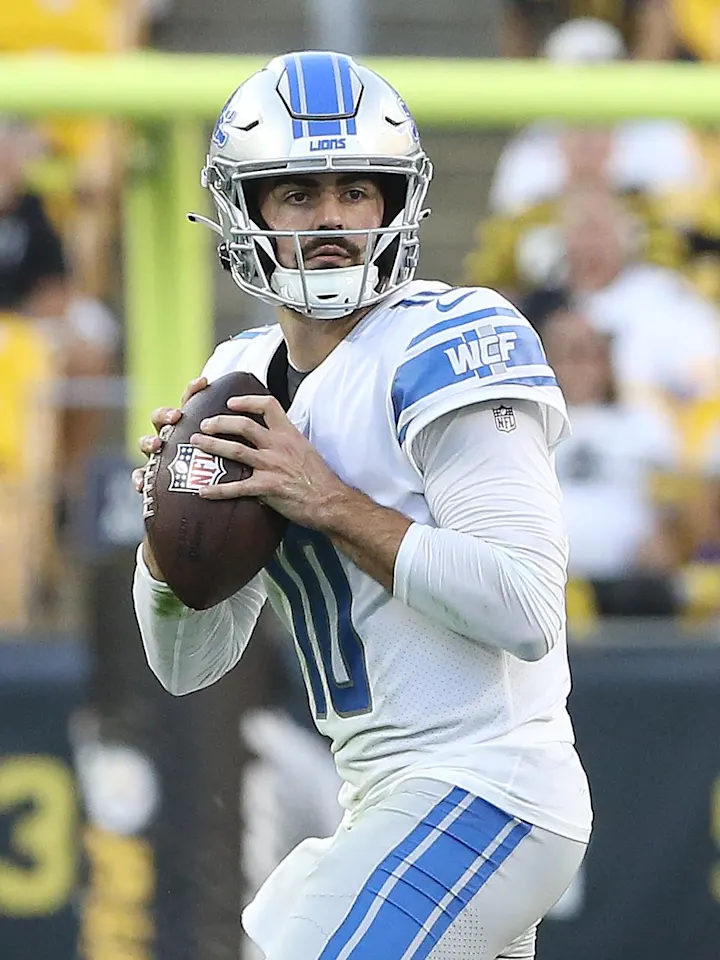
It’s like hosting Thanksgiving dinner for the first time after decades of watching experienced cooks run the kitchen. You might not nail everything, but if you let the best ingredients shine, the result is usually solid—and the next attempt even better.
That’s the bet the Commanders are making.
A “Voltron” of Offensive Influences
Blough’s football education didn’t come from one master teacher. It came from many.
Over his playing and early coaching career, he’s worked under or alongside offensive minds such as Jeff Brohm, Todd Monken, Darrell Bevell, Drew Petzing, Kevin O’Connell, Anthony Lynn, Ben Johnson, and Kliff Kingsbury. That list spans nearly every major offensive philosophy in today’s game.
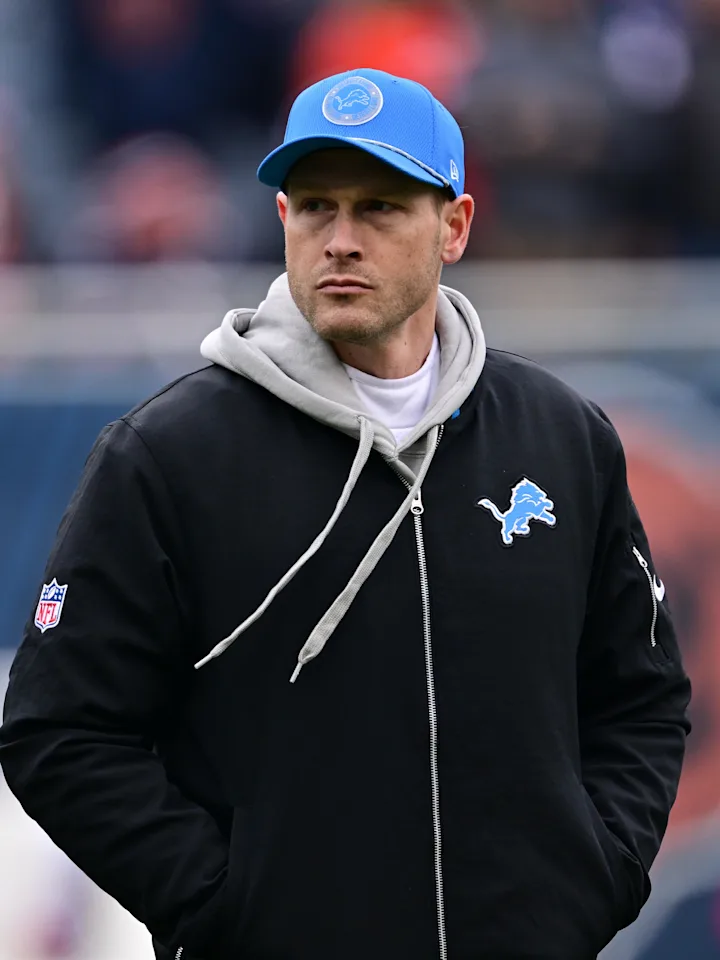
Motion-heavy, misdirection-based attacks. Air Raid roots with RPOs and tempo. West Coast timing. Wide zone. Power gap. Max protection. Old-school physicality. Modern disguise.
Different styles, different priorities—but all built by coaches who “know ball.”
Altogether, Blough has been exposed to roughly 230 combined years of coaching experience, across multiple schematic families. And throughout his football life, he’s been consistently praised for intelligence, preparation, and mastery of process.
Ben Johnson’s Vote of Confidence
Few endorsements carry more weight than one from Ben Johnson, widely viewed as one of the NFL’s next great offensive innovators.
“He’s really smart, has a natural way of connecting with everybody—coaches and players alike,” Johnson told The Athletic. “They found tremendous value in him. I think he’ll do an outstanding job in that role.”
Johnson also highlighted Blough’s quarterback background as a major advantage.
“He’s got that inward feel of how to help elevate that position. I think he’ll be one of those young guys that gets a head job before you know it.”
That’s lofty praise—placing Blough in the same developmental conversation as the coaching trees once formed by Bill Walsh, Kyle Shanahan, and Sean McVay.
The Real Test
Knowledge isn’t Blough’s obstacle. Assembly is.
The challenge is turning a lifetime of ideas into one clear offensive identity—a functional “Voltron” rather than a collection of disconnected parts. That’s no small task, especially for a first-time coordinator.
But Blough’s advantage is fluency. If the offense needs to lean Air Raid one week, he can do that. If it needs power football the next, that’s in his vocabulary too.
More importantly, he should be able to translate that flexibility to quarterback Jayden Daniels—helping a first-year starter grow under a first-year play-caller.
Blough may be new to the chair, but he’s not new to the room. And for Washington, that distinction could make all the difference.