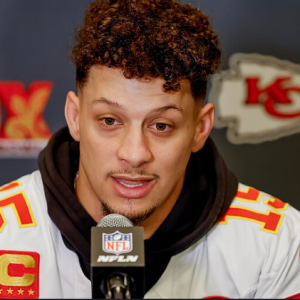
“Mutually agreeing to part ways” clearly doesn’t mean what it used to in the NFL.
Just a few weeks ago, the Washington Commanders looked like a franchise drifting back into chaos. Two seasons into a full teardown-and-rebuild, the team abruptly moved on from offensive coordinator Kliff Kingsbury — a decision that shocked much of the fanbase.
But what was even more surprising wasn’t the firing itself. It was how quickly and eagerly the media rushed to soften it.
Almost immediately, Kingsbury’s departure was framed as a mutual decision. According to the narrative, Washington and Kliff simply agreed it was time to move on. Yet during that same week, the Commanders dismissed both of their coordinators — and only one of them was magically “not fired,” at least if you believed the headlines.
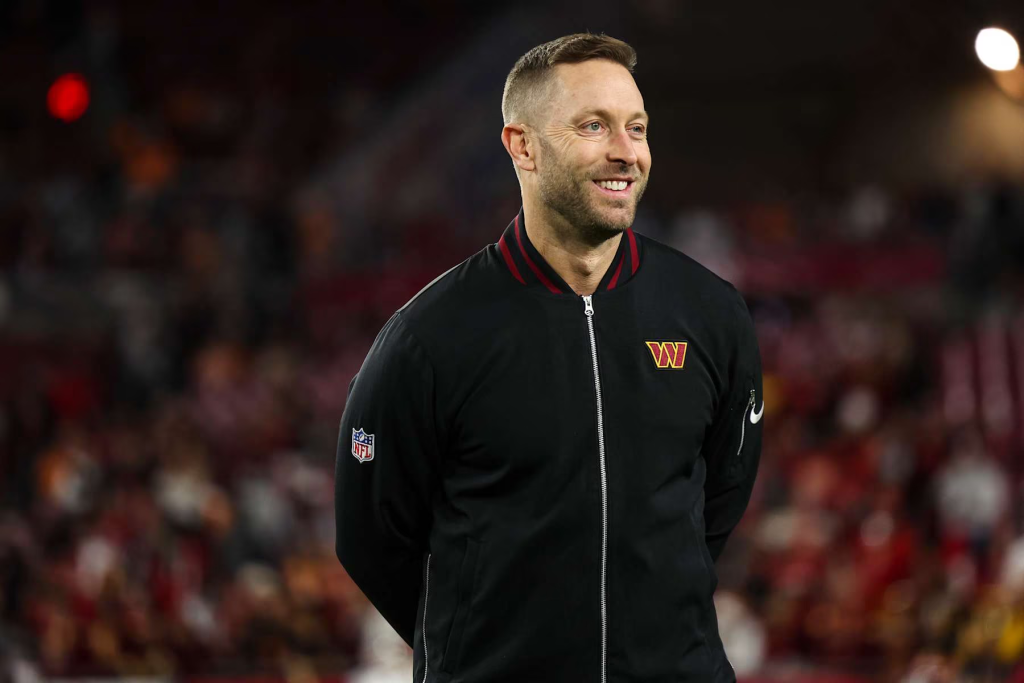
That euphemism was frustrating enough to inspire an entire blog post. The idea that Kingsbury had meaningful say in his exit felt less like reporting and more like public relations.
Then came the leaks.
Stories began surfacing about supposed friction between Kingsbury and general manager Adam Peters, conveniently sourced through unnamed insiders. Reporters parroted claims that head coach Dan Quinn didn’t want to move on from his coordinators, reinforcing the illusion that this was anything other than a decisive organizational move.
But here’s the thing: teams that “reluctantly part ways” don’t replace you in four days.
On Monday, Kingsbury was gone. By Friday, January 9, Washington had already promoted David Blough to take over the offense.
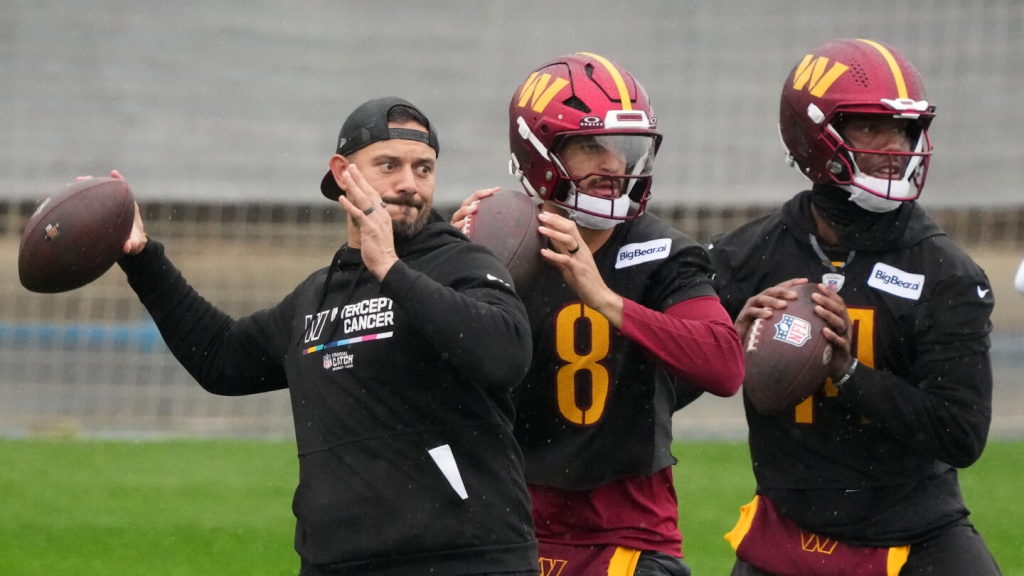
Blough wasn’t some outside hire or emergency solution. He had already spent two seasons on the staff and worked closely with Jayden Daniels during his AP Offensive Rookie of the Year campaign in 2024. Originally hired as assistant quarterbacks coach for the 2025 season, Blough was elevated after Tavita Pritchard left for Stanford’s head coaching job in late November.
That alone raised eyebrows. But the real picture came into focus this week.
The Staff Moves That Say Everything
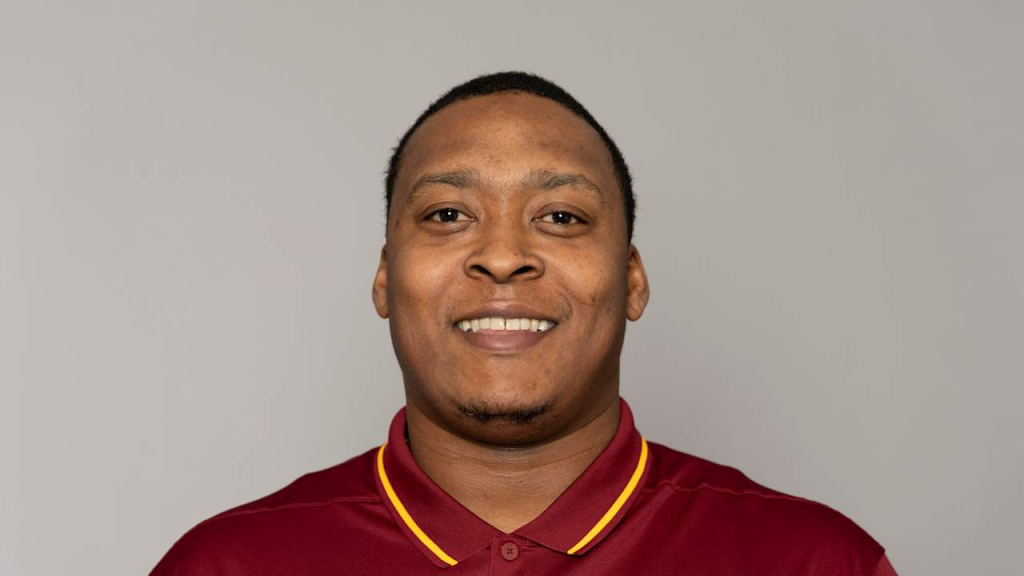
On Monday, ESPN’s Dan Graziano reported that Washington hired Darnell Stapleton as offensive line coach and Shane Toub as assistant OL coach. Both were internal promotions.
Stapleton replaces Bobby Johnson, who was fired the same week as Kingsbury. Johnson’s dismissal was arguably even more surprising — the offensive line was one of the few units that actually performed well.
But context matters.
Johnson wasn’t just another assistant. He was one of Kingsbury’s closest confidants on the staff. His removal sent an early signal that the “mutual agreement” storyline didn’t hold up under scrutiny.
Now, with the dust settling, Washington is entering next season with almost the exact same offensive coaching staff — minus Kingsbury and his top lieutenant.
That doesn’t happen by accident.
You don’t need anonymous sources or insider agents to connect the dots. The Commanders clearly believe the infrastructure was already in place. In their eyes, the issue wasn’t the personnel, the quarterback, or the scheme’s potential — it was who was leading it.
Whether that bet pays off remains to be seen. But Washington is making its stance unmistakably clear: they believe Jayden Daniels’ ceiling was limited last season, and the people they believe were holding him back are no longer in the building.
And that reality tells us far more about Kliff Kingsbury’s exit than any carefully worded press release ever could.