
Born in 1935 in the humble town of Tupelo, Mississippi, Elvis Presley’s life began far from the spotlight. Raised on gospel hymns and Southern blues, music quickly became his sanctuary—a way to make sense of a world filled with hardship. By the mid-1950s, when he burst onto the scene, Elvis didn’t just make records; he shook the very foundations of American culture. His rock and roll was called “dangerous” and “indecent” by some, yet to millions of young people, he was freedom embodied, a voice daring to break every rule.
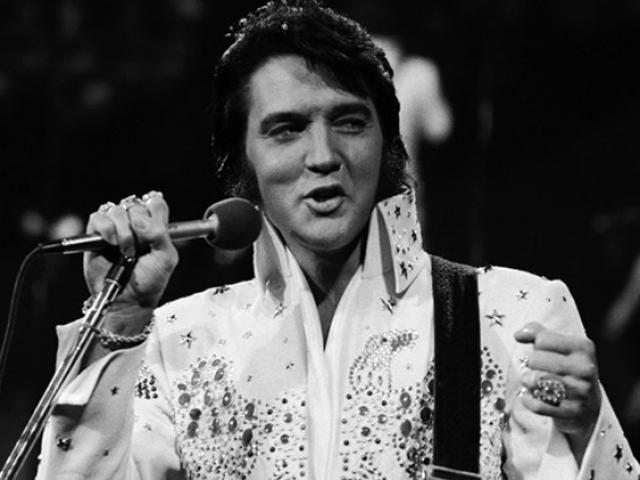
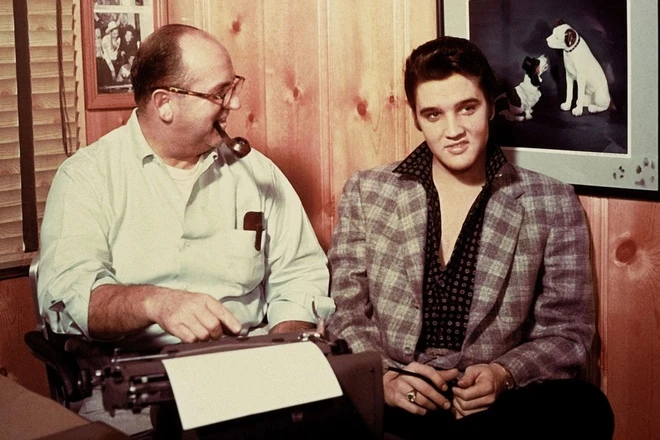
Fame arrived like a tidal wave. The world adored him, yet he was trapped in a life dictated by tours, formulaic films, and the iron grip of manager Colonel Tom Parker. Despite money, acclaim, and global recognition, Elvis felt increasingly isolated. Personal struggles—including a painful marriage, relentless expectations, and mounting loneliness—led him down a path of dependency on prescription medications, a desperate attempt to soothe exhaustion and pain.
Even in his final years, Elvis remained larger than life on stage, performing for adoring crowds. But behind the sequins and spotlight, his body and spirit were failing. On August 16, 1977, at just 42 years old, the King of Rock and Roll passed away at Graceland. His death shocked the world—but his musical legacy, like his voice and charisma, remains immortal.

Elvis Presley’s story is a haunting testament to the cost of fame: a man worshiped as a global legend, yet never fully protected as a human being. Behind the glitz, roaring crowds, and timeless music lay a person with real vulnerabilities, struggles, and emotions. Fame amplified every triumph but also magnified every pain, leaving him exposed to pressures few could imagine. His life reminds us that behind every icon lies a person—complex, fragile, and deeply human.
Decades after his passing, the echoes of his songs still resonate across generations. Elvis’s voice, presence, and even the tragedy surrounding his life continue to captivate and inspire. He endures not merely as the King of Rock and Roll, but as a symbol of the delicate balance between genius and humanity—a man who gave the world so much, yet needed care and empathy in return.