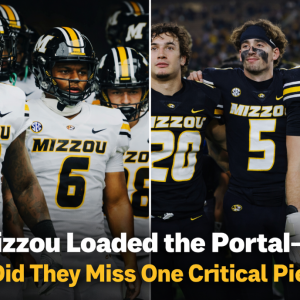
Before turning the page to Missouri football’s 2026 transfer portal haul, it’s worth pausing for a moment and looking back.
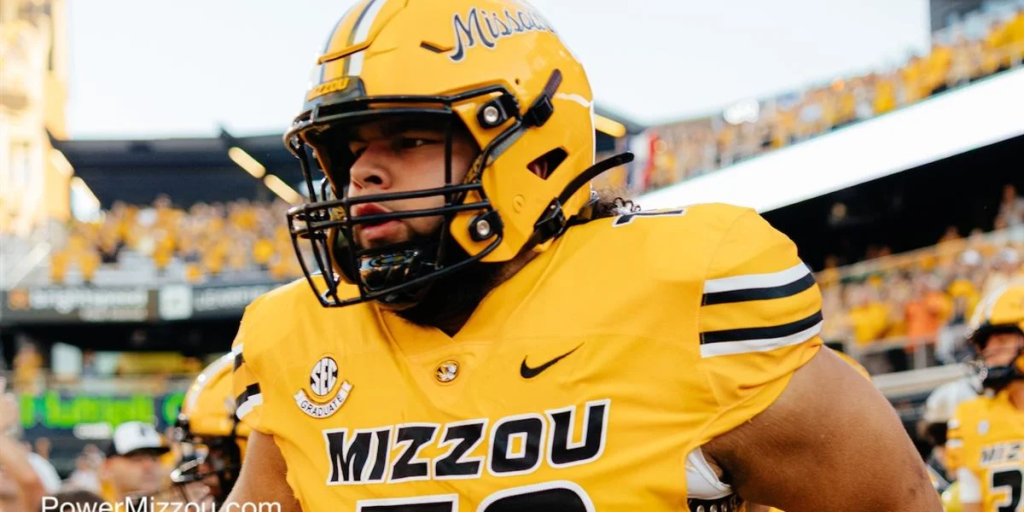
Like every program in the country, Mizzou had to navigate two portal windows ahead of the 2025 season—December and April—giving the Tigers multiple chances to reshape the roster. The end result was an 8–5 season, capped by a Gator Bowl appearance, and a transfer class that looked a lot like most around college football: some massive hits, some solid contributors, and a few swings-and-misses.
Here’s a full look back at Missouri’s 2025 transfer additions—and how they actually panned out.
December Transfer Window
WR Kevin Coleman Jr.
One of the biggest success stories of the portal era at Mizzou. The St. Louis native returned home from Mississippi State and immediately became Missouri’s top receiving threat. Coleman finished with 66 catches for 732 yards and a touchdown, then added a punt return score against Arkansas in the regular-season finale. Now, he’s off to pursue the NFL.
Verdict: Home run.
S Santana Banner
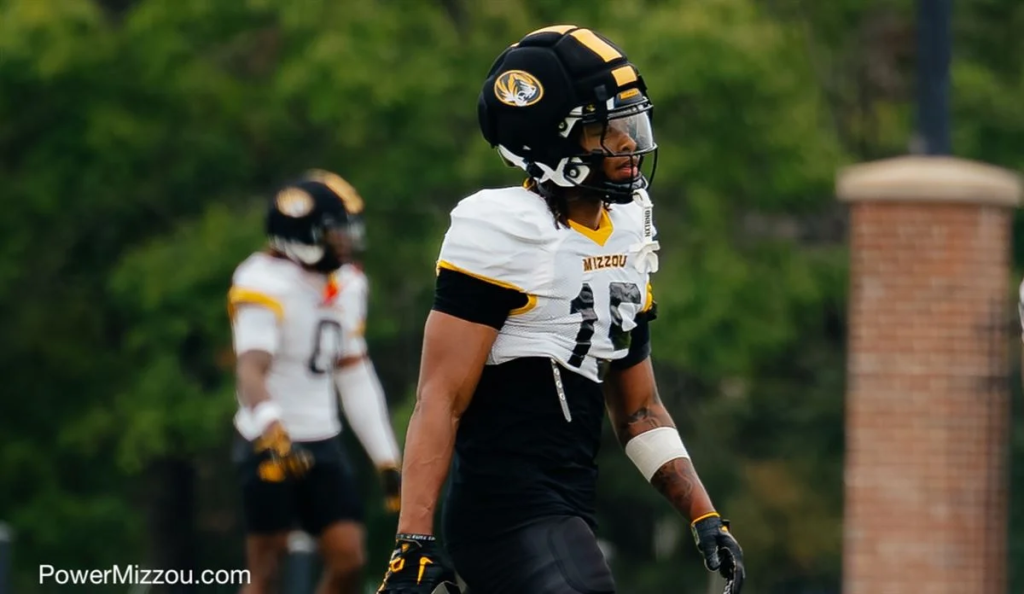
Banner arrived with plenty of competition from other programs, and he backed up the hype. Playing in all 13 games, Banner totaled 59 tackles, an interception, and a pass breakup. With so much turnover in the secondary, he’s expected to be a cornerstone—and leader—of the unit in 2026.
Verdict: Immediate impact, long-term piece.
LB Mikai Gbayor
One of the more unusual portal journeys. Gbayor transferred from Nebraska to Mizzou in December 2024, then left for North Carolina in April 2025 before ever playing a snap for the Tigers. He started three games for the Tar Heels, then hit the portal again and landed at Florida State.
Verdict: Never factored into Mizzou’s plans.
LB Josiah Trotter
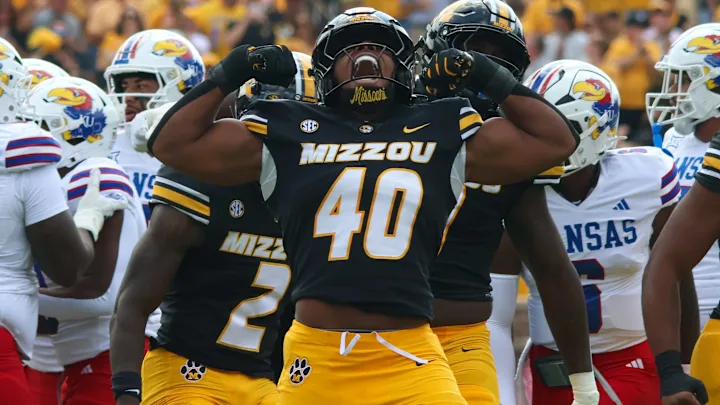
An instant defensive star. After transferring from West Virginia, Trotter became one of the SEC’s most productive linebackers. He led Missouri with 84 tackles while adding 13 tackles for loss, two sacks, 14 pressures, and a pass breakup. All-SEC honors followed, and he’s now declared for the 2026 NFL Draft.
Verdict: Slam-dunk addition.
EDGE/DE Langden Kitchen
A lower-profile add from Northwest Missouri State who quietly carved out a role. Kitchen was a steady rotational piece, finishing with 14 tackles, a tackle for loss, half a sack, and 14 pressures. Expectations are higher heading into 2026.
Verdict: Solid development piece.
RB Ahmad Hardy
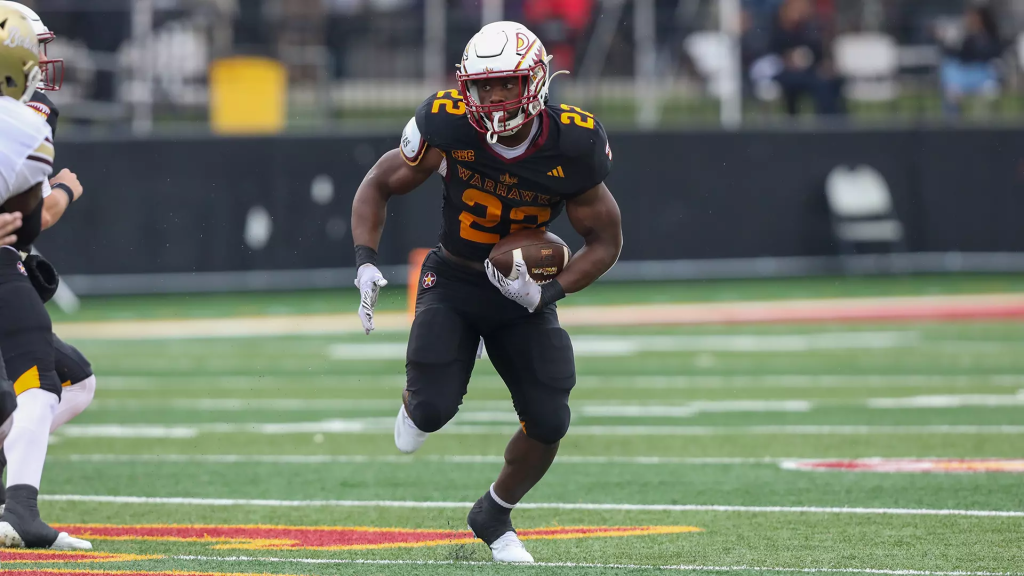
The crown jewel of the entire class. Hardy took over as RB1 and rewrote the Missouri record books, rushing for 1,649 yards and 16 touchdowns. He earned first-team All-SEC honors, consensus All-American status, and became a Doak Walker finalist. Entering 2026, he’ll be the face of the program—and a preseason Heisman name to watch.
Verdict: Program-defining home run.
S Mose Phillips III
Phillips left a starting role at Virginia Tech for Missouri, but his impact never materialized. He played just 149 snaps across eight games, recording five tackles, a pass breakup, and a forced fumble. Though initially expected to play a bigger role in 2026, he instead returned to the portal and transferred to Oklahoma State.
Verdict: Short-term depth that moved on.
IOL Dominick Giudice
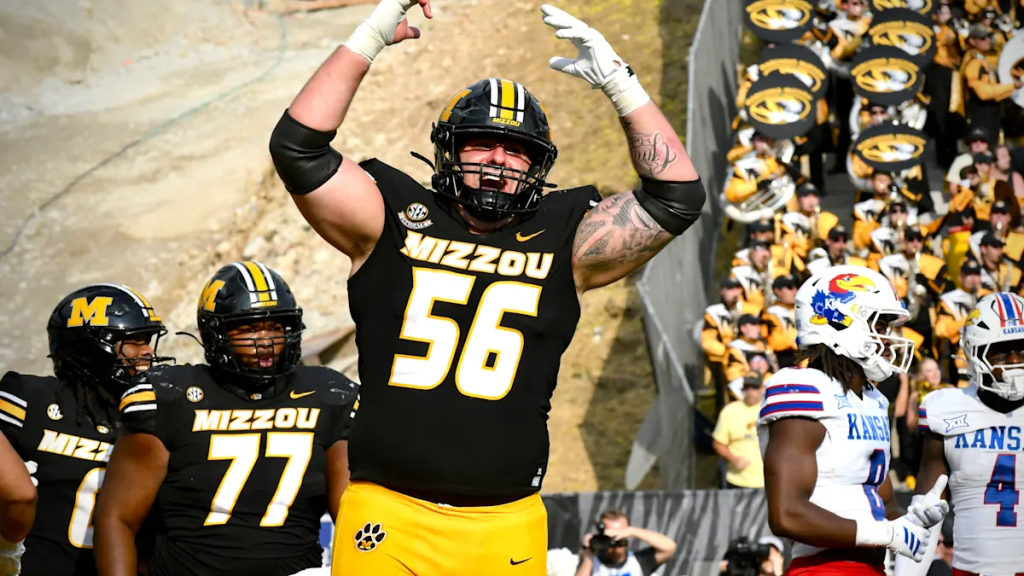
One of the most important—and underappreciated—transfers. Giudice played more snaps (897) than any other offensive player in 2025, starting all 12 games at left guard and even logging time at center. He’s expected to slide to center full-time in 2026 and anchor what could be a strong interior line.
Verdict: Foundation piece.
OT Keagen Trost
Perhaps the biggest surprise of the class. Trost arrived with little fanfare and left as an All-American right tackle. Over 891 snaps, he allowed just seven total pressures and is now projected as a 2026 NFL Draft pick. His impact belongs in the same conversation as the flashier transfers.
Verdict: Elite value add.
EDGE/DE Nate Johnson
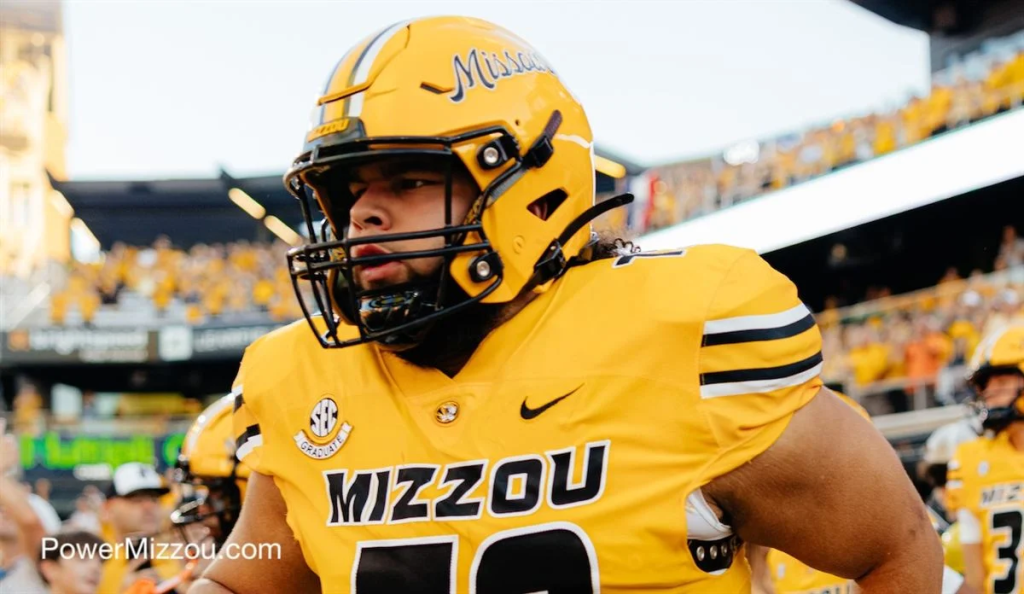
There were hopes Johnson could blossom after earning Freshman All-American honors in 2023, but it never clicked in Columbia. He played only 86 snaps across nine games, totaling six tackles and four pressures before transferring again—this time to Auburn.
Verdict: Miss.
QB Beau Pribula
One of the most fascinating additions of the cycle. Pribula came from a College Football Playoff roster and went on to start 10 games for Missouri. He threw for 1,941 yards with 11 touchdowns and nine interceptions, while also adding six rushing scores. However, turnovers plagued him, as he gave the ball away in nine of his 10 starts. After opting out of the Gator Bowl, he transferred to Virginia for his final season.
Verdict: Productive, but inconsistent.
P Connor Weselman
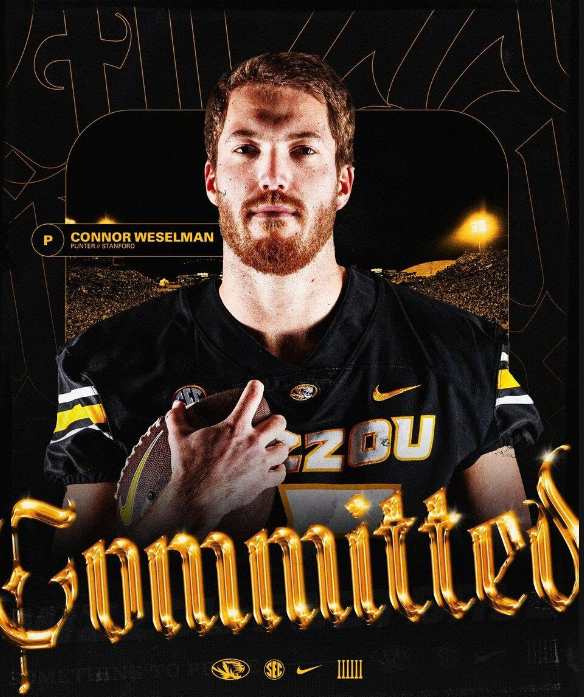
The Stanford transfer handled punting duties all season, but production lagged. Weselman averaged just 41.76 yards per punt—last among qualifying SEC punters.
Verdict: Serviceable, but below league standard.
OT Johnny Williams IV
Williams arrived from West Virginia with hopes of competing for a starting tackle spot, but it never materialized. He played only 52 snaps across three games before transferring to North Texas.
Verdict: Didn’t crack the rotation.
CB Stephen Hall
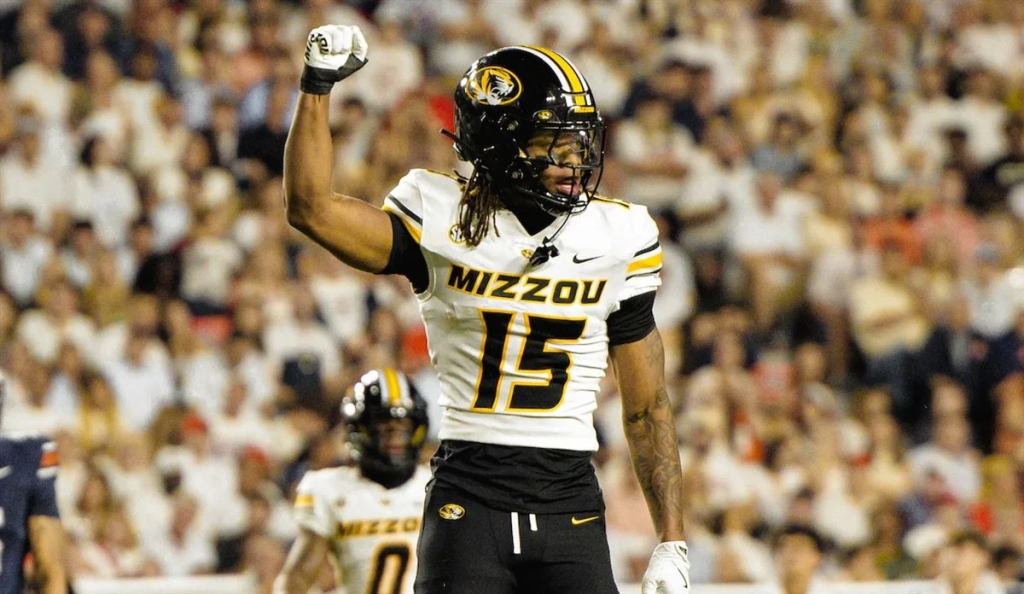
A veteran presence in the secondary, Hall played in all 13 games with four starts. He finished with 26 tackles, a tackle for loss, and three pass breakups. While advanced metrics weren’t kind, he provided functional depth in a rotation-heavy cornerback room.
Verdict: Useful depth.
S Jalen Catalon
One of the most experienced players in the class, Catalon brought a lengthy résumé across multiple conferences. For Missouri, he recorded 39 tackles, three pressures, and a pass breakup while helping stabilize the secondary.
Verdict: Solid veteran contributor.
TE Vince Brown II
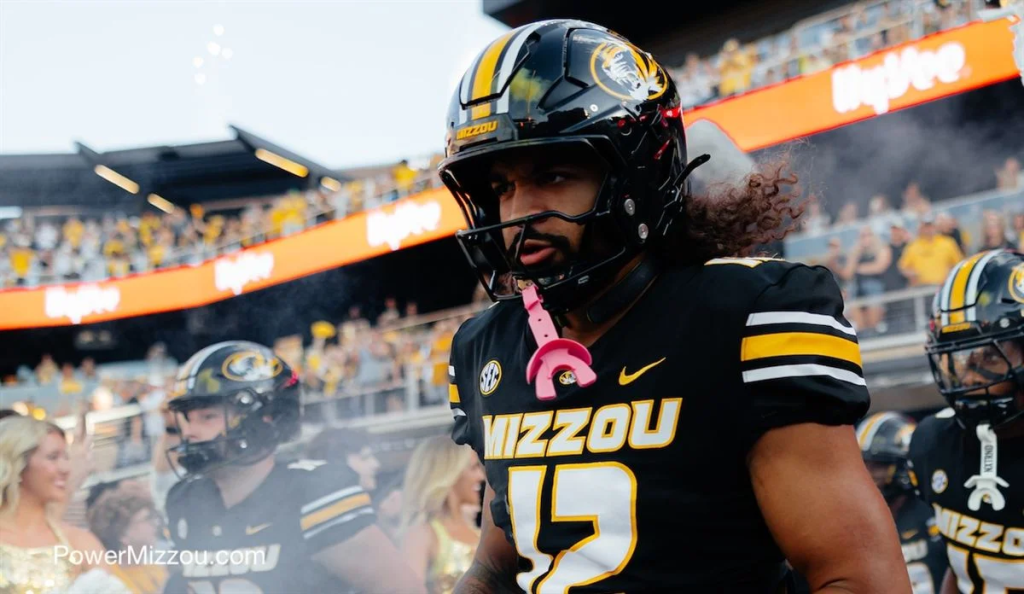
Brown joined a deep tight end room and never carved out a significant role. He played just 57 snaps across nine games, primarily as a run-blocker.
Verdict: Minimal impact.
EDGE/OLB Damon Wilson II
Another elite portal hit. The Georgia transfer emerged as one of the SEC’s most disruptive pass rushers, posting 9 sacks, 54 pressures, 23 tackles, and even an interception. After earning All-SEC honors, many expected him to head to the NFL—but instead, he transferred again, landing at Miami.
Verdict: Massive on-field impact, brief stay.
April Transfer Window
TE Gavin Hoffman
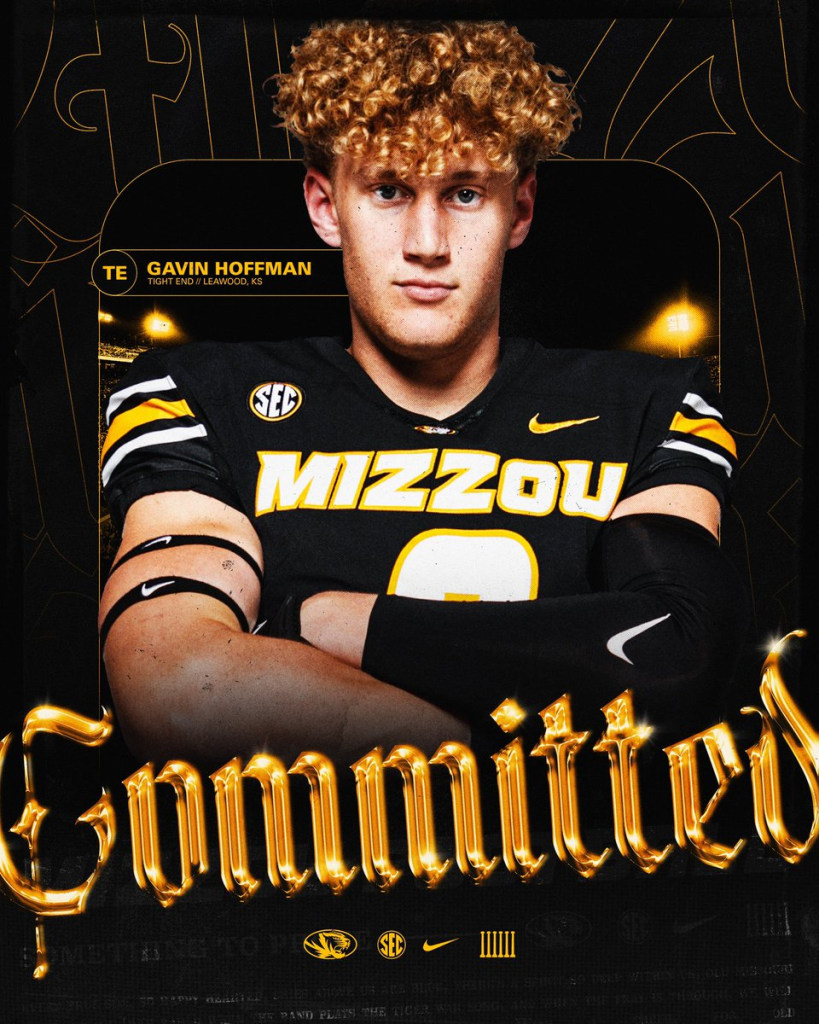
A local product who transferred from Iowa, Hoffman spent 2025 buried on the depth chart. He appeared in just three games but is viewed internally as a potential contributor as early as 2026.
Verdict: Developmental piece.
WR Xavier Loyd
Loyd brought experience from Kansas State and Illinois State but joined an already crowded receiver room. He played 175 snaps across all 13 games, mostly as a blocker, and caught two passes for 21 yards.
Verdict: Depth option.
OT Jaylen Early
Early came over from Florida State but struggled to find playing time, logging just 52 snaps in three games. He later transferred to Texas State for his final season.
Verdict: Didn’t pan out.
DL Bralen Henderson
Henderson played in 12 games but logged fewer than 100 total snaps, finishing with five tackles and four pressures. While initially believed to be out of eligibility, he has since entered the portal again in hopes of gaining another season.
Verdict: Limited role, uncertain future.
The Big Picture
Missouri’s 2025 transfer class perfectly captured the reality of the modern portal era. For every Hardy, Trotter, Trost, or Wilson, there were players who never cracked the rotation—or never stayed long enough to matter.
Still, the top-end hits were good enough to fuel an eight-win season and lay groundwork for the future. As Mizzou now turns its attention to the 2026 portal cycle, the lessons from 2025—targeting impact players, reinforcing the trenches, and accepting turnover as the cost of doing business—remain clear.
And if the Tigers can land another Ahmad Hardy? Everything else becomes a lot easier.