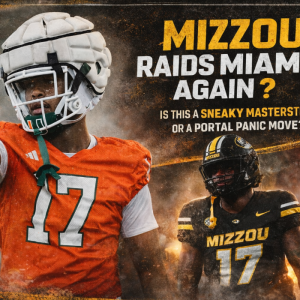
Missouri football didn’t chase the transfer portal hype this cycle—it attacked it with precision.
With the winter window nearly closed and 28 new transfers already added, the Tigers’ 2026 portal haul is essentially complete. A surprise addition is always possible, but make no mistake: Eli Drinkwitz and his staff executed a clear, calculated plan.
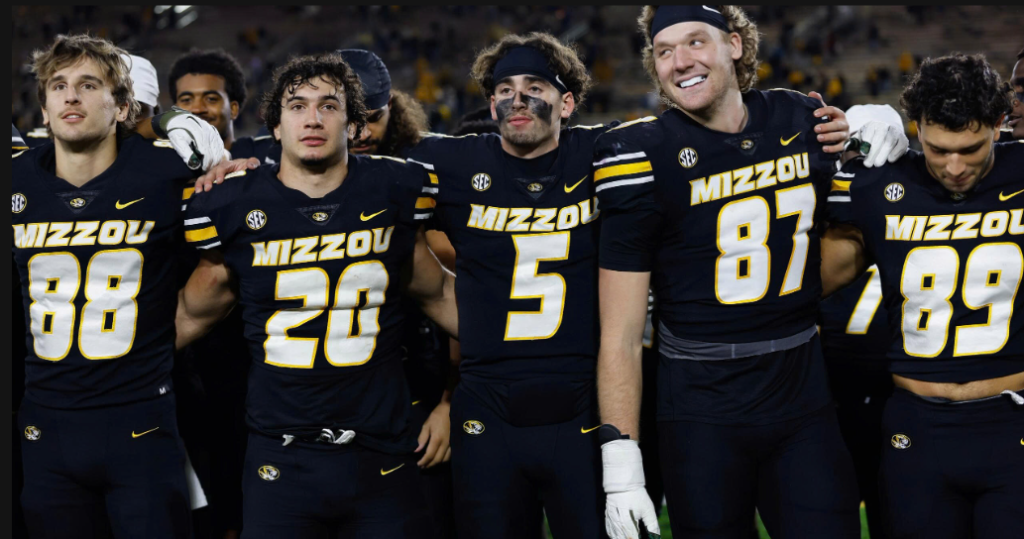
This wasn’t about splashy rankings or winning social media. It was about fixing real problems, building real depth, and creating competition where it mattered most. And by that standard, Mizzou took a major step forward.
Quarterback: Competition Has Arrived
Start under center.
Missouri added a quarterback who isn’t here to hold a clipboard. Whether he earns the Week 1 job outright or pushes the incumbent to another level, this move sends a message: nothing is guaranteed.
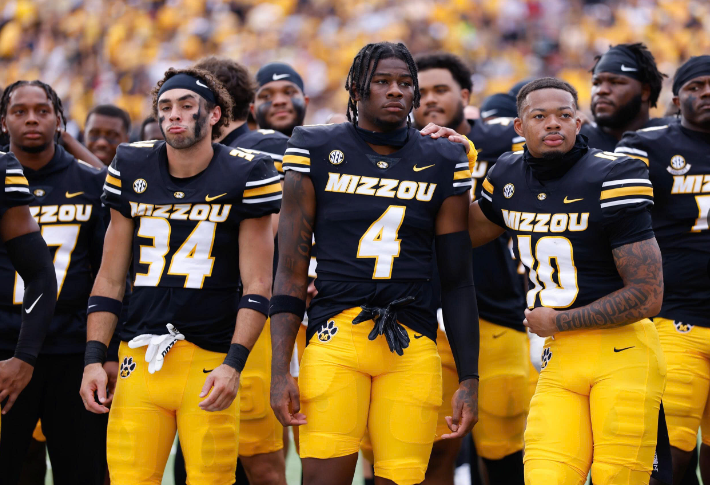
Drinkwitz understands that everything in the SEC flows from quarterback play, and this staff refused to leave the position to chance. The result? A QB room that’s more competitive—and more dangerous—than it was a year ago.
Offensive Line: A Critical Upgrade at Right Tackle
One of the most important additions came up front.
Right tackle was a clear weakness, and Missouri didn’t just plug the hole—they upgraded the position. The Tigers brought in a transfer capable of locking down the edge, protecting the quarterback, and helping stabilize the run game from day one.
In a league built on pressure and physicality, that kind of move matters.
Linebacker: Experience Meets Athleticism
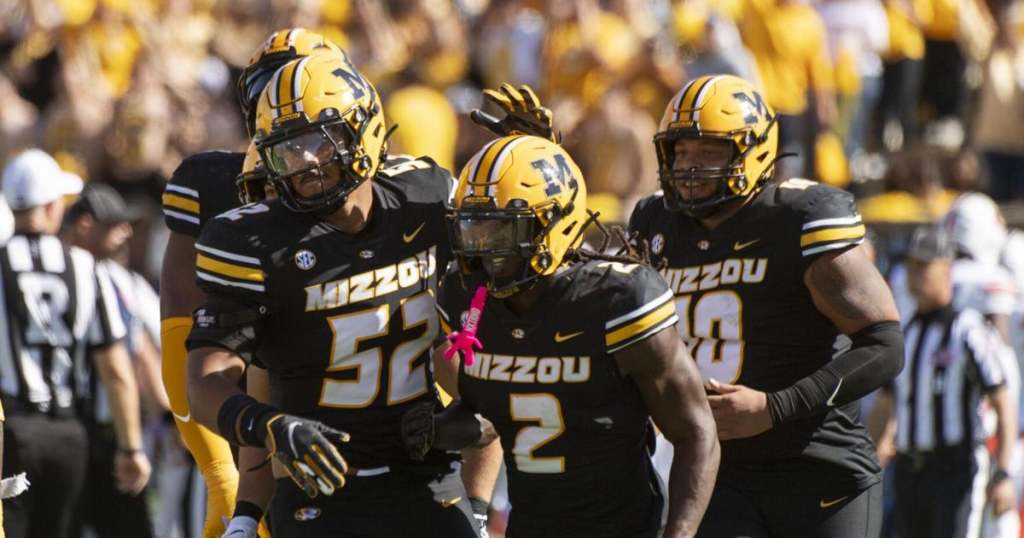
Linebacker was another area in need of reinforcement, and the portal delivered.
Missouri added players who bring experience, speed, and versatility to the second level—guys who can scrape, cover, communicate, and lead. It’s the type of infusion that raises the floor of the entire defense.
Secondary: A Full-Scale Makeover
If there’s one unit that truly got overhauled, it’s the secondary.
Corners. Safeties. Hybrid defenders. Missouri didn’t just add depth—they reshaped the back end of the defense. In an era where space-and-pace offenses stress defenses horizontally and vertically, this reload was not optional—it was essential.
And the Tigers treated it that way.
Still Some Questions to Answer
Of course, not everything is settled.
Spring ball will test depth at a few spots. Younger players will have chances to claim roles. Position battles will emerge, and the coaching staff will be watching closely to see how the new pieces fit.
But taken as a whole, this portal class feels intentional—and sustainable.
The Bigger Picture
This wasn’t a quick fix. It was a roster blueprint.
Missouri didn’t just fill gaps; it built competition. It didn’t just chase talent; it targeted fit. And as the Tigers prepare to take the field this spring, the early signs point to a roster that’s deeper, stronger, and better equipped to compete week after week in the SEC.
We’re still more than 200 days from kickoff, and plenty will change. But one thing is already clear: Mizzou didn’t just survive the transfer portal era—they’re learning how to win in it.
In the weeks ahead, we’ll break down the newcomers—who’s ready to make an immediate impact, who could surprise, and where the biggest battles will unfold. For now, though, Missouri leaves the portal with purpose—and momentum.