The American political landscape is reeling from an unprecedented scenario: a sitting President, while facing multiple impeachment resolutions in Congress, has publicly threatened to “impeach” a federal judge simply for a ruling he disliked. This is not merely a war of words; it is a direct confrontation between executive power and judicial independence, pushing American democracy into a “slow-motion” yet perilous constitutional crisis.
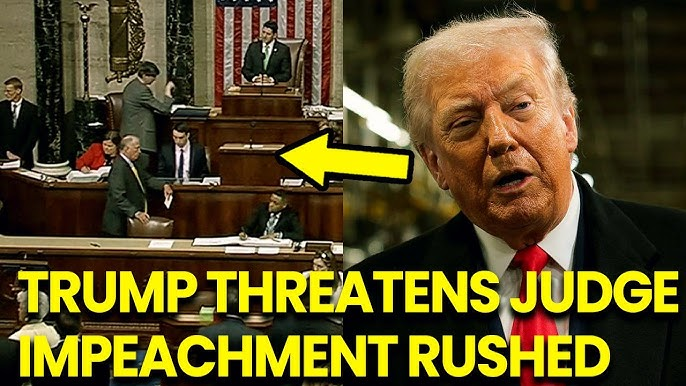
1. The Peak of Defiance: When a President Threatens a Judge
The conflict ignited following a ruling by Judge James Boasberg of the U.S. District Court for the District of Columbia. The judge issued an order limiting the Trump administration’s deportation flights, citing that the administration was “cutting corners” on necessary legal procedures and violating the right to due process.
Instead of complying or appealing through standard legal channels, Donald Trump chose a direct assault. On social media and during interviews with Fox News, he labeled Judge Boasberg “crooked,” accused him of being part of the “radical left,” and alleged that the judge was protecting murderers by blocking deportations.
The escalation reached its zenith when Trump publicly called for Judge Boasberg’s impeachment. This is an exceptionally rare and dangerous move, as judicial independence relies on the principle that judges must be free to rule based on the law without fear of political retaliation. When a President declares, “If you rule against me, I will have you fired,” it is a blatant threat to the foundations of the rule of law.
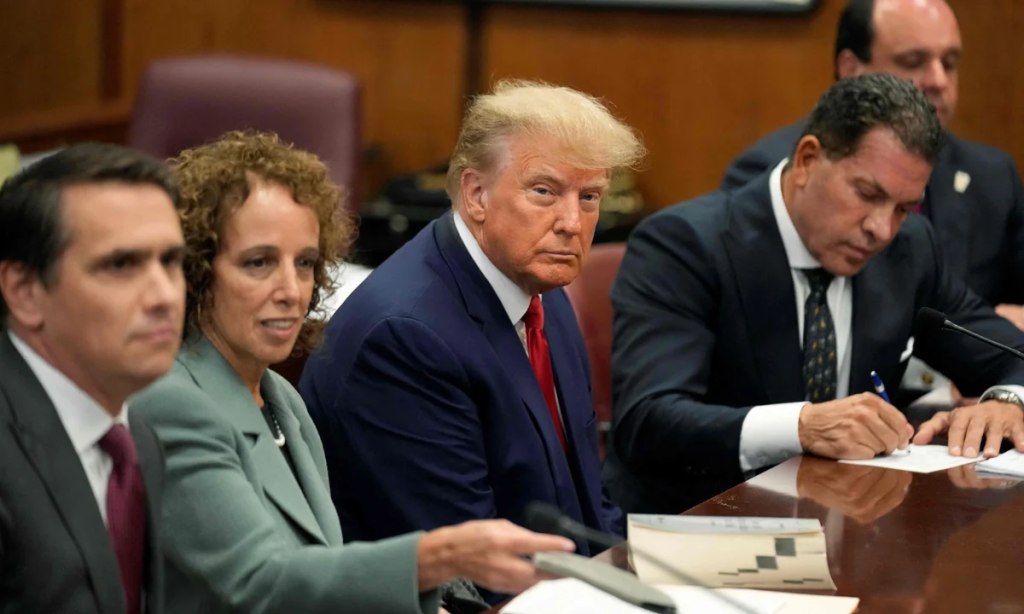
2. The Impeachment Paradox: The Accused Demands the Impeachment of the Arbiter
The drama lies in the irony: while Trump demands the impeachment of the judge, he himself stands on the brink of being impeached. In the House of Representatives, Democrats have rushed to advance several impeachment resolutions (H.Res 353, 415, 537) citing charges of abuse of power, contempt of court, and constitutional violations.
A Striking Coincidence: At the very moment Trump was threatening Judge Boasberg, his own impeachment papers were reportedly being rushed to Congress.
Living Proof: Opponents argue that Trump’s threats against the judge serve as “Exhibit A,” proving that he does not respect the separation of powers and is abusing the presidency to intimidate independent institutions.
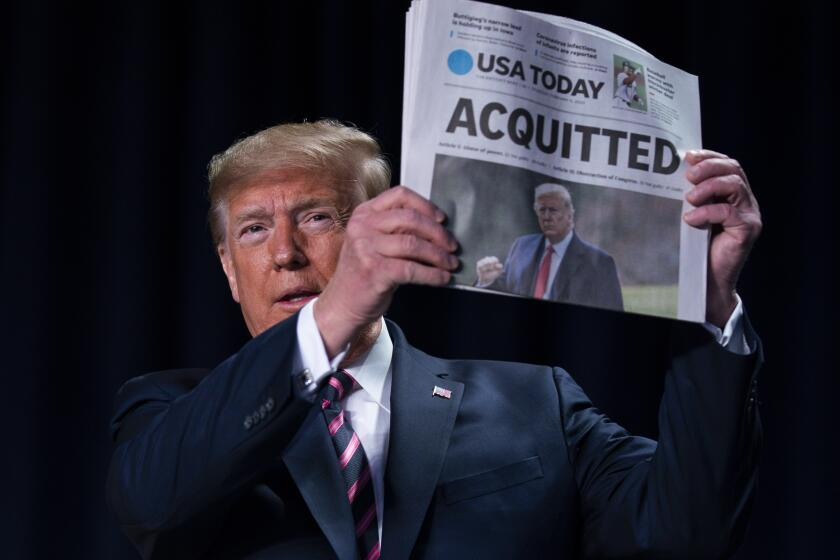
3. The Reaction of “The Gatekeeper”: John Roberts
The situation became so severe that Chief Justice John Roberts—who is notoriously cautious and rarely wades into political controversies—felt compelled to break his silence.
Without naming Trump directly, the Chief Justice issued a rare public rebuke, warning against the politicization of judicial independence. He affirmed that judges take an oath to apply the law fairly, not to serve the political interests of any individual. It was a powerful message to Trump: “Back off”.
4. The Battle for the Soul of the Judiciary
Donald Trump does not view these attacks as spontaneous outbursts; they are part of a long-term strategy to dismantle the independence of the courts.
Framing a “Rigged System” Narrative: Trump wants his supporters to believe that any ruling against him is the result of corrupt or politically motivated judges rather than a violation of the law.
Pressuring Other Judges: By publicly punishing Boasberg, Trump sends a chilling message to the entire judicial system: “If you stand in my way, your career will be in jeopardy”.
5. 2026: The Definitive Crossroads
All these tensions are converging toward the 2026 midterm elections. This will be the moment American voters decide:
To empower Democrats to proceed with Trump’s impeachment and rein in his power.
Or to maintain Republican control, allowing Trump to continue his assaults on the judiciary with impunity.
Conclusion: When the Law Faces Absolute Power
Donald Trump threatening to impeach a judge while facing impeachment himself is the height of political irony, but it is also a red alert for American democracy. When a President decides that the courts have no legitimate authority over him, the nation enters the threshold of a full-blown constitutional crisis.
The battle in Washington is no longer just about an immigration law or a deportation flight; it is a battle to decide whether America will be governed by the rule of law or by the power of a single strongman.