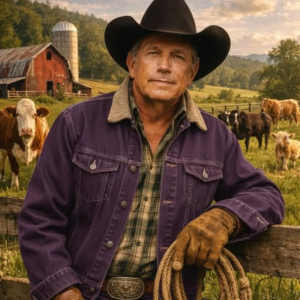
Born in the small town of Poteet, Texas, and raised on wide-open ranch land where hard work and honesty were a way of life, George Strait grew up with the rhythm of country living etched deep into his soul. Long before stadium lights and sold-out tours, his world was defined by dusty roads, cattle fences, and the steady values of rural Texas. It was there—far from Nashville boardrooms and music industry trends—that the foundation of a legend was quietly formed.
In the early 1980s, as country music flirted heavily with pop influences and glossy production, Strait wasn’t chasing the spotlight or trying to reinvent the genre. Instead, he did something far more radical: he stayed true to where he came from. While others adjusted their sound to fit radio trends, George Strait doubled down on tradition, delivering music that felt timeless even when it was brand new.
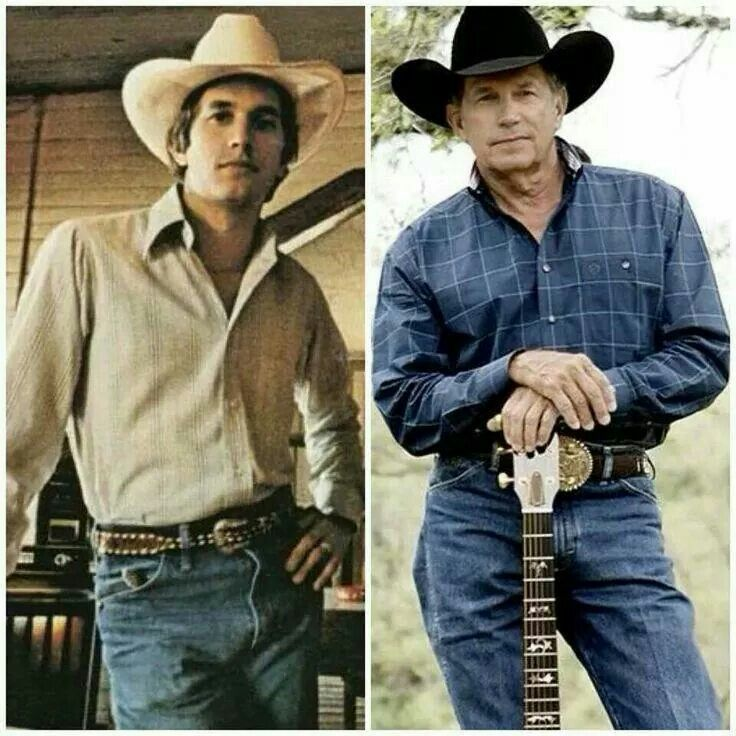
His breakthrough came not with flashy performances or dramatic reinvention, but with songs that spoke plainly and powerfully. Clean melodies, fiddle-driven arrangements, and lyrics rooted in everyday life set him apart. Strait’s voice—smooth, unforced, and unmistakably Texan—carried stories of love, heartbreak, loyalty, and loss with quiet confidence. He didn’t need to shout to be heard. People leaned in.
What made George Strait truly revolutionary was his refusal to abandon classic country values at a time when the industry seemed ready to move on. He embraced the sounds of honky-tonk, Western swing, and traditional ballads, reintroducing them to a new generation of listeners. In doing so, he didn’t just preserve country music’s past—he reshaped its future.
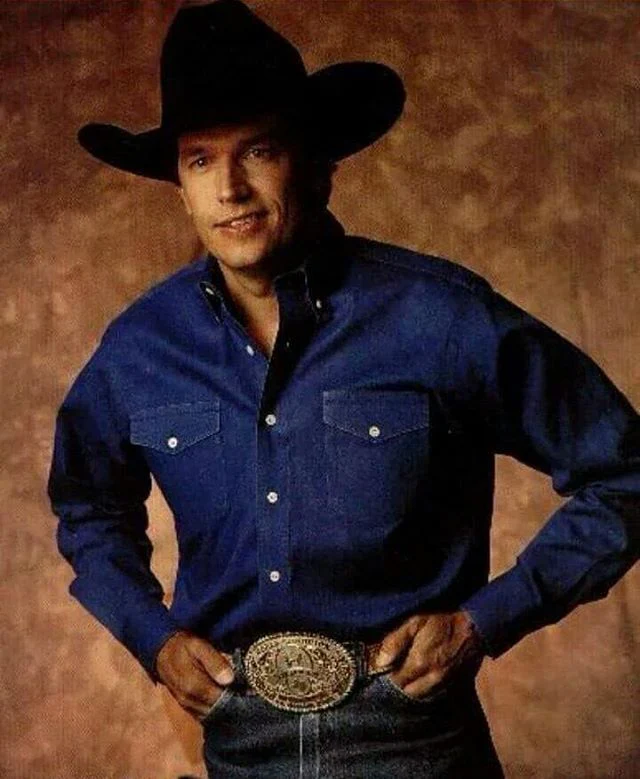
Song after song climbed the charts, not because they followed trends, but because they felt real. Tracks like “Amarillo by Morning,” “Fool Hearted Memory,” and “The Chair” didn’t rely on gimmicks. They relied on storytelling. Strait became a bridge between eras, proving that authenticity could still dominate in a rapidly evolving music landscape.
Offstage, his image remained just as grounded. George Strait never cultivated controversy, never chased celebrity for its own sake. He let the music speak, the cowboy hat stay firmly in place, and his personal life remain private. That quiet dignity only deepened the respect fans felt toward him. He wasn’t playing a role—he was living it.
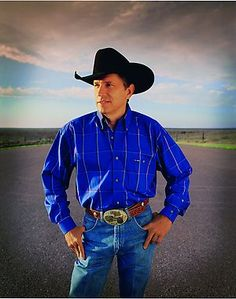
As the years passed, his influence became impossible to ignore. Artists across generations cited him as a blueprint for longevity and integrity in country music. He wasn’t just a hitmaker; he was a standard. The term “King of Country” wasn’t a marketing slogan—it was an acknowledgment earned through consistency, humility, and an unbreakable bond with his roots.
Even decades into his career, George Strait continues to fill stadiums and touch hearts, not by changing with the times, but by reminding the times of what matters. His music still carries the dust of Texas roads, the quiet strength of ranch life, and the emotional truth that first defined him as a young man from Poteet.
In a genre built on storytelling, George Strait’s greatest story may be his own—a man who rose to the very top of country music by refusing to leave home behind. 🤠