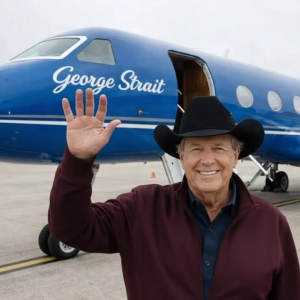
Before George Strait ever filled stadiums or stacked up No. 1 hits, his world was measured in acres, chores, and long Texas sunsets. Long before the crown, there was the countryside. And it was there—on a working farm in the Texas Panhandle—that the man now known as the “King of Country” learned the values, grit, and quiet strength that would shape one of the most enduring music legacies in American history.
Born in 1952 in Poteet, Texas, and raised in the small town of Pearsall, George Strait grew up in a family where hard work wasn’t optional—it was simply life. After his parents divorced, Strait and his brother were raised by their father, a junior high math teacher who also owned and operated a cattle ranch. Mornings started early, days were long, and responsibility came before recreation. Feeding livestock, fixing fences, and tending land weren’t metaphors—they were daily reality.
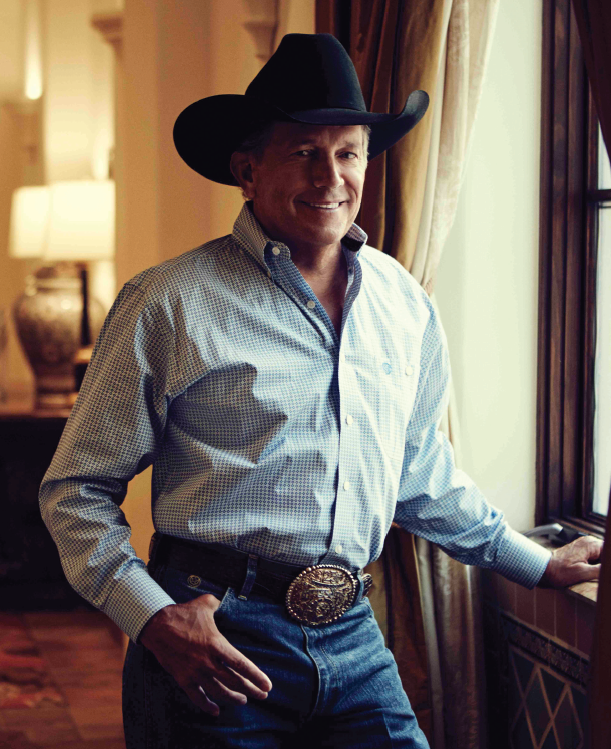
That upbringing left a permanent mark on Strait. While many future stars dream of escape, he absorbed the rhythms of rural life. The discipline of farming, the humility of depending on the land, and the quiet pride of earning everything you have would later echo through his music. It’s why his songs never feel flashy or forced. They feel lived-in.
Music entered Strait’s life slowly, almost casually. He didn’t grow up chasing stardom or performing on big stages. Instead, he found his voice during his time in the U.S. Army, where he joined an Army-sponsored band called Rambling Country. Even then, he wasn’t reinventing the genre—he was honoring it. While country music in the late 1970s and early 1980s drifted toward pop crossover sounds, Strait leaned hard into traditional country: steel guitars, fiddle lines, and stories about real people living real lives.
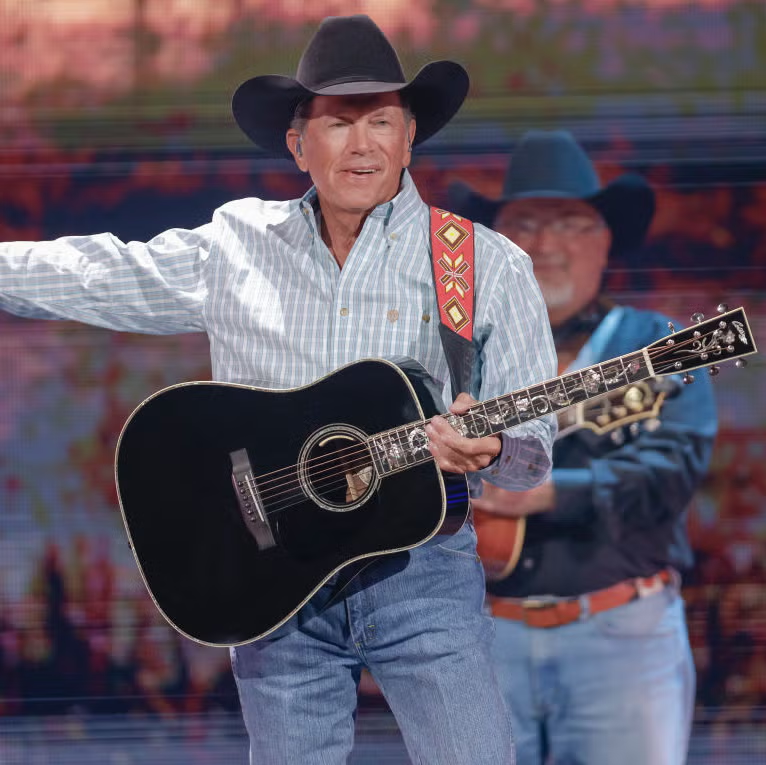
That choice was risky—but it paid off. His 1981 debut single, “Unwound,” became an instant hit, introducing a sound that felt like a return home for country fans. Over the next four decades, Strait would go on to score more than 60 No. 1 hits, sell over 100 million records, and become one of the most commercially successful artists in music history—across any genre.
Yet even at the height of fame, George Strait never shed his farm-raised mindset. He avoided tabloid drama, stayed off social media, and let the music speak for itself. He dressed simply, performed without spectacle, and maintained a reputation for humility that’s increasingly rare in the industry. Friends and collaborators often note that he’s the same man offstage as he is on it—quiet, respectful, and grounded.
That grounding shows up most clearly in his songs. Tracks like “Amarillo by Morning,” “The Chair,” and “I Cross My Heart” don’t rely on shock or trends. They rely on truth. Love, loss, loyalty, and longing—these are themes Strait understands not from theory, but from life. His Texas roots aren’t branding; they’re the foundation.
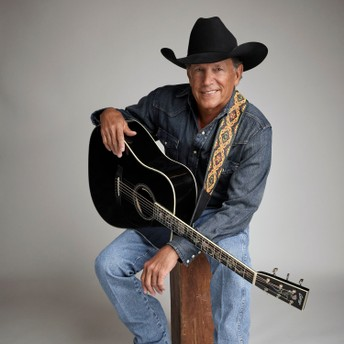
Even today, as his legacy is firmly cemented, Strait remains closely tied to ranch life. He continues to own land, values privacy, and speaks often about the importance of family and tradition. In an industry obsessed with reinvention, George Strait proved something rare: you don’t have to change who you are to last forever.
From dusty Texas fields to sold-out arenas, George Strait’s journey is a testament to where he came from. The farm didn’t just raise a country singer—it raised a king.