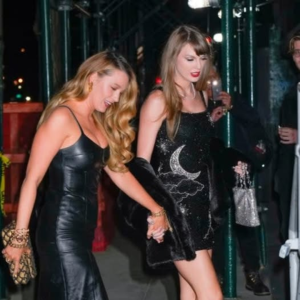
For the fifth consecutive week, Taylor Swift’s “The Fate of Ophelia” sits firmly atop global music charts—and at this point, it’s no longer just a hit song. It’s a cultural moment.
In an era where chart-toppers often burn bright and fade fast, “The Fate of Ophelia” has done the opposite. It has lingered, grown, and deepened its hold on listeners across continents, proving once again that Taylor Swift’s greatest strength isn’t hype—it’s storytelling that endures.
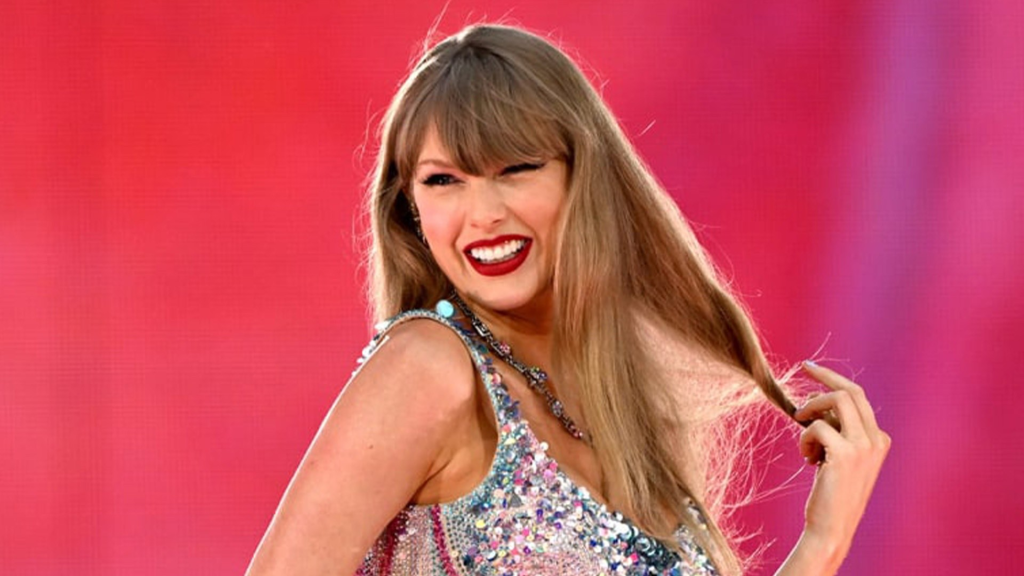
Released with little warning, the track immediately caught attention for its haunting title alone. Drawing inspiration from Shakespeare’s tragic Ophelia, Swift reimagines the character not as a passive victim, but as a woman shaped—and scarred—by love, silence, and expectation. The result is a song that feels literary yet intimate, ancient yet unmistakably modern.
From the first piano notes, “The Fate of Ophelia” moves with restraint. There’s no rush to the chorus, no obvious bid for radio dominance. Instead, Swift lets the song breathe. Her vocals are soft, almost fragile, as if she’s confiding a secret rather than performing for millions. That choice, critics say, is exactly why the song has resonated so deeply.
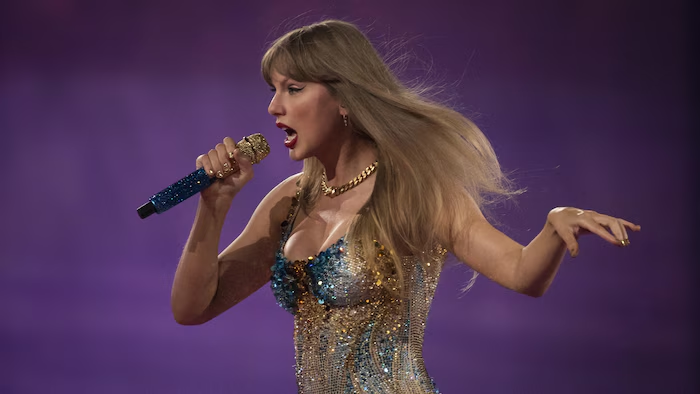
Lyrically, the track is dense with imagery—water, mirrors, fading flowers, unanswered letters—symbols that fans have dissected line by line across social media. Each verse feels open-ended, inviting listeners to project their own heartbreaks, losses, and reckonings onto the story. It’s not just Ophelia’s fate being examined—it’s everyone’s.
Streaming numbers tell part of the story. The song has dominated Spotify, Apple Music, and YouTube, maintaining its No. 1 global position while also breaking records for sustained daily streams. But its impact goes beyond numbers. Universities have reportedly discussed the song in literature and media courses. Poets and authors have referenced it. Even Shakespeare scholars have weighed in, praising Swift’s ability to translate classical tragedy into contemporary emotion without diluting its weight.
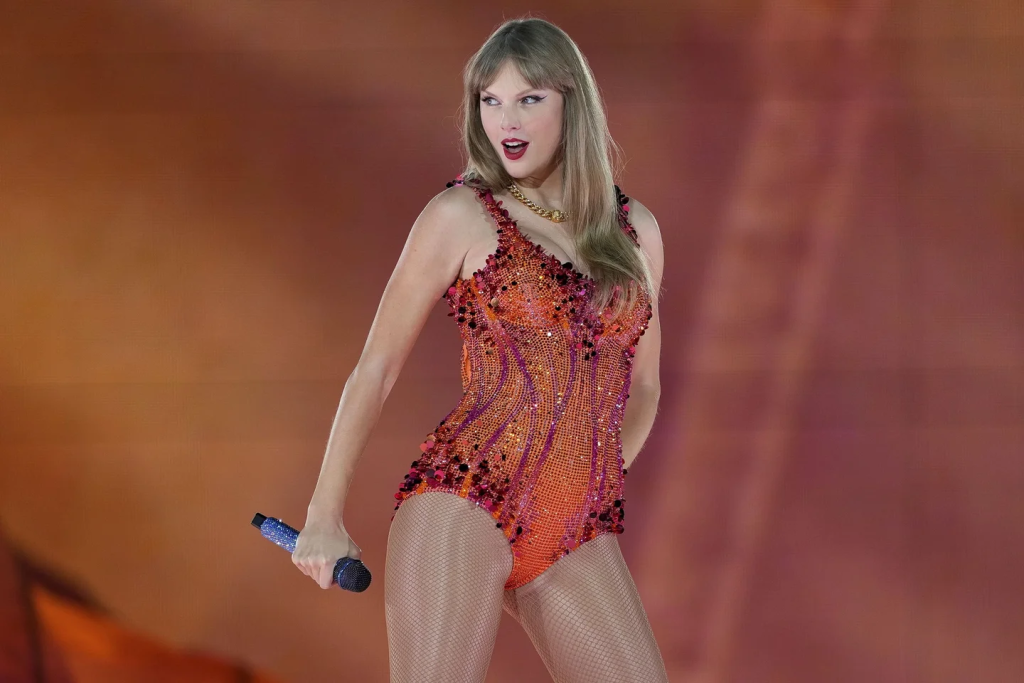
What’s especially striking is how “The Fate of Ophelia” has crossed generational lines. Longtime Swift fans praise it as some of her most mature writing yet, while new listeners—many drawn in by the song’s viral discussions—are discovering her catalog for the first time. For younger audiences, it’s a lesson in emotional nuance. For older ones, it’s a reminder that pop music can still be thoughtful, restrained, and quietly devastating.
Industry insiders note that the song’s longevity also reflects a shift in listener behavior. In a fast-scroll world, audiences are craving depth. They want music that doesn’t just soundtrack a moment, but stays with them afterward. “The Fate of Ophelia” doesn’t demand attention—it earns it.
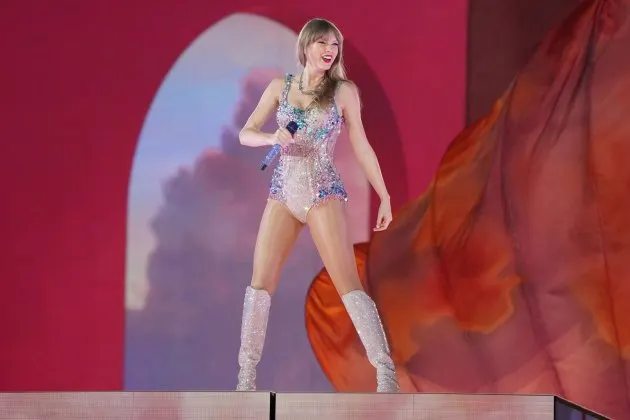
Taylor Swift herself has remained characteristically understated about the milestone. In a brief note to fans, she thanked them for “holding space for a story that meant a lot to write.” No victory lap. No grand declarations. Just gratitude—another reason her connection with listeners feels unusually sincere.
Five weeks at the top of the global charts is rare. Five weeks with a song this quiet, this literary, and this emotionally layered is almost unheard of. Yet here it stands, refusing to sink, refusing to fade.
“The Fate of Ophelia” isn’t just leading the charts—it’s reminding the music world that when a song tells the truth carefully enough, it doesn’t need to shout to be heard.