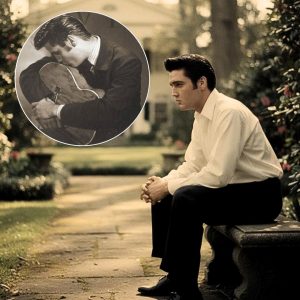
In August 1958, Elvis Presley stood beside his mother’s casket for hours, refusing to step away. When Gladys Presley died, the world lost little of its noise for a moment, but Elvis lost his center. In that quiet room, there was no superstardom, no screaming fans, no crown. There was only a son holding onto the woman who had been his anchor since childhood. Those closest to him later said that something in Elvis broke that day—and never fully healed.
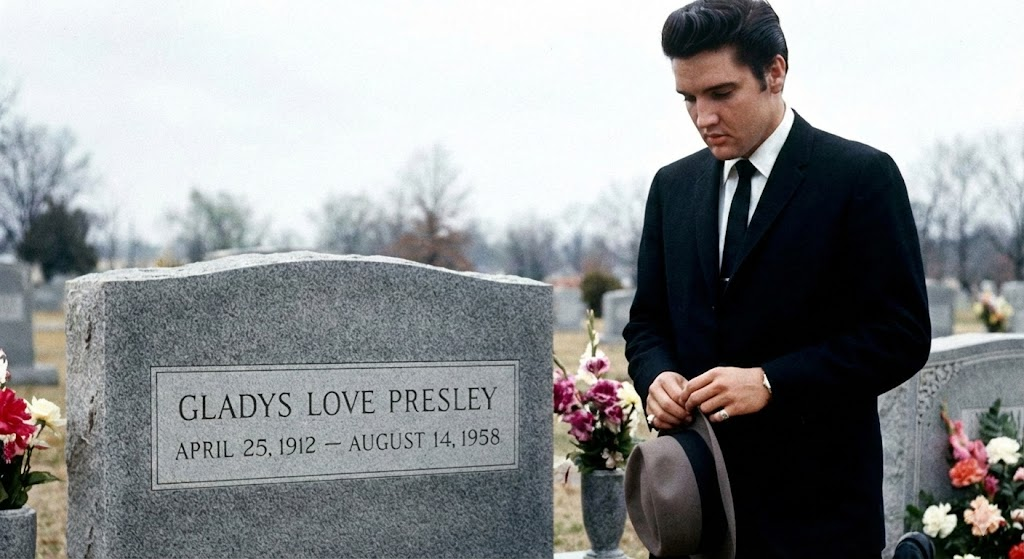
Gladys was more than his mother. She was his emotional refuge, his moral compass, his constant reassurance in a life that had already become overwhelming. Her death did not just wound him; it altered the course of his inner life. The confidence remained on stage, but the light behind it dimmed.
Yet Elvis continued to work with relentless seriousness. Behind the myth was an artist of extraordinary discipline. His vocal range spanned more than four octaves. He respected music deeply, even genres he struggled with. Jazz was not his comfort zone, but he approached it with dedication during King Creole, insisting on excellence. Elvis was hands-on in arrangements and demanded the highest standards from his musicians. Music was never a shortcut to fame—it was a calling he treated with reverence.

Despite his power, humility defined him. His faith was quiet but unwavering, expressed most clearly in gospel music—the only genre that earned him Grammy Awards. Those recordings were not performances. They were prayers.
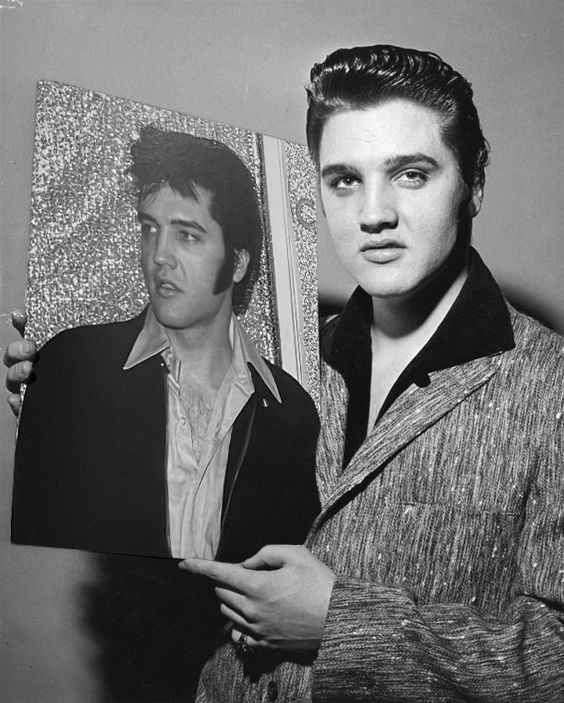
Behind the legend stood a man shaped by devotion, discipline, faith, and profound loss. Long before the crown, Elvis Presley was defined by love — love for his mother, for gospel music, and for the people who believed in him when he was just a boy with a dream. Fame never erased that core; it only added weight. He carried expectations, loneliness, and grief quietly, often far from the spotlight. His discipline kept him moving forward, even when his heart was tired, and his faith remained a private refuge when the world felt overwhelming.
That is the Elvis who still endures. Not merely a king lifted by applause, but a deeply human soul who gave everything he had. His voice carried memory and longing, strength and vulnerability, greatness and grief woven together. Even now, his music reaches across time because it was never just performance — it was truth, offered without armor, and felt by anyone who has ever loved, lost, and kept going.